Find Hidden Subscriptions on Your Credit Card Statement
Most statement reviews scan for whichever charge is biggest. That catches the one large purchase that stands out, but it misses the smaller recurring charges, streaming, apps, memberships, that never look large enough on their own to trigger a second look, even though they add up to more over a year. Someone reviewing a single month's statement might feel confident nothing unusual happened, while quietly carrying six or seven small subscriptions that together cost more than the largest single purchase on the page.
Warning
A single subscription charge looks trivial next to a large one-time purchase. Twelve months of that same small charge usually doesn't.
The purchase you noticed cost you once. The subscription you didn't notice costs you every month.
Why big charges get noticed and small recurring ones don't
Scanning a statement for size means anything under a certain threshold gets skipped, and recurring charges are specifically designed to sit under that threshold every single month. A $12 charge doesn't register as worth investigating, twelve times a year it's $144, and it never once looked unusual enough to check. The problem compounds when someone has accumulated several small subscriptions over a few years, each one added for a good reason at the time, none of them individually alarming on any single month's statement.
Picture a statement with a $12 streaming charge, an $8 app subscription, and a $15 monthly membership scattered across three different weeks. None of them would make a "largest charges" list next to a single $400 furniture purchase that same month. Add them up over a year, though, and that's $420, more than the furniture purchase, and none of it went through a deliberate decision the way the furniture did. It just kept renewing.
Before: scroll the statement, flag the largest purchases, ignore the small recurring charges that show up every month.
After: paste the statement into Claude, ask it to separate recurring charges from one-time purchases, and get an actual annualized total for what's quietly repeating.
A process for finding recurring charges
- 1
Give Claude a full statement, or several months if you have them
A single month can't distinguish a recurring charge from a coincidental one-time purchase at the same merchant. Multiple months make the pattern unambiguous.
- 2
Ask it to separate recurring from one-time charges
Request that split explicitly, not a general categorization. Recurring and one-time charges need to be evaluated differently, one against whether you still use it, the other against whether it was worth it.
- 3
Ask for an annualized total, not just the monthly amount
A monthly figure understates the real cost. Multiplying it out to a year is what turns "just $12" into a number worth actually deciding about.
- 4
Flag anything you don't immediately recognize
Ask specifically which recurring charges have vague or unfamiliar merchant names. Those are the ones most likely to be a forgotten trial that converted to paid, or a subscription you meant to cancel.
Here are my last three months of credit card statements. Separate recurring charges from one-time purchases, give me an annualized total for the recurring ones, and flag any merchant name I might not immediately recognize.
”It's worth asking a second, related question once the recurring charges are separated out: whether any of them have quietly increased in price since you first signed up, since a subscription that raised its rate a year ago rarely comes with a notification anyone actually reads.
For each recurring charge you found, do you see any evidence in these statements that the amount increased at some point over the three months? Flag any that appear to have gone up.
”
Inside Claude Tutorial
Separating what repeats from what's one-time is transferable.
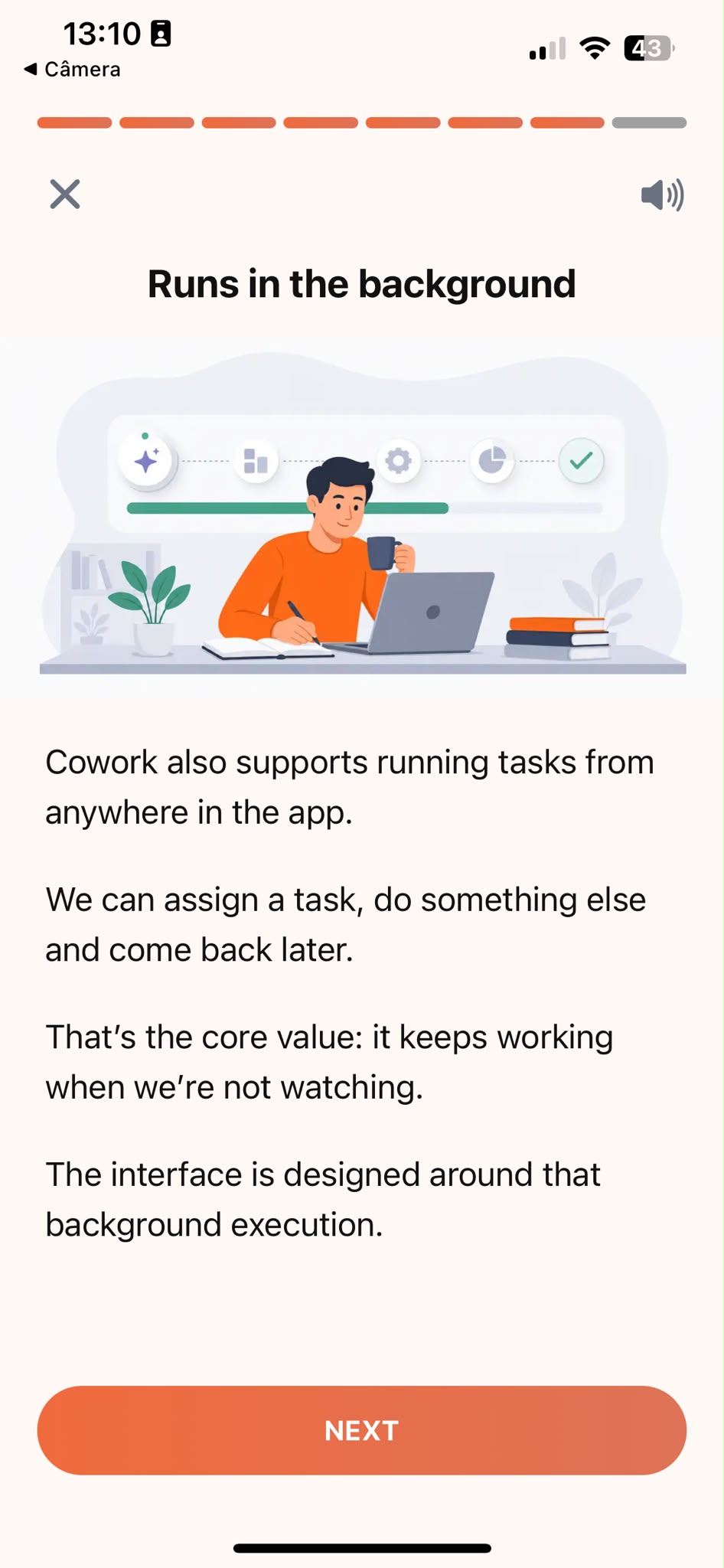
Distinguishing a cost that happens once from one that quietly repeats, and sizing the repeating one honestly, applies well beyond credit card statements. The app has a full lesson on it, with practice that carries over to any recurring cost you're evaluating.
When a subscription is worth keeping
Finding a recurring charge isn't the same as deciding to cancel it. Some are genuinely worth the annualized cost, and the point of this process is an honest decision, not an automatic cut. A subscription used daily is a different decision than one that hasn't been opened in months, even if the two cost exactly the same.
Tip
For each recurring charge, ask yourself whether you used it in the last month, not whether you might use it eventually. "Might use it" is how most forgotten subscriptions survive review after review.
Here's the list of recurring charges you found. I'll tell you which ones I actually used this month. Help me estimate the annual cost of just the ones I didn't use, so I can see what canceling those specifically would save.
”For a subscription that's genuinely useful but expensive, it's also worth checking whether a cheaper tier or an annual billing option would cover the same actual usage, rather than treating "keep or cancel" as the only two choices on the table.
I use this $20-a-month service regularly and want to keep it, but I've never checked if there's a cheaper tier that covers what I actually use, or if annual billing would save money over paying monthly. Help me think through what to check.
”Continue reading
- Reviewing a Household Budget for What It's Missing: the other side of the same budget, catching costs that are missing entirely rather than quietly recurring.
- Comparing Two Financial Decisions Side by Side: redirecting money freed up from canceled subscriptions toward an actual goal.
- Turning a Batch of Expenses Into a Categorized Analysis: the same categorize-and-flag technique, applied to a company's expense line items instead of a personal statement.